
Interactive
Between 1995-2002, Sebring was President of Botticelli Interactive, Inc., a company co-founded with colleagues at MIT to produce innovative non-linear narrative content as widespread use of the web and personal computers began.
Botticelli Interactive
Founded by a core group from MIT in 1995, Botticelli Interactive invented digital forms of documentary, fiction, museum, and educational applications, including the award-winning projects: Star Festival nonlinear documentary and web series; CamKidz interactive television pilot; and the Titian Kiosk.
Ellen Sebring (Co-Founder and President)
Michael Roper (Co-Founder and Principal)
Glenda Manzi (Principal and Executive Producer)
Scott Shunk (Senior Producer)
Dustin Di Tommaso (Senior Producer)
Andrew Burstein (Designer/Coder)
Stuart Lipsky (Business Manager)
Douglas Tanger (Business Development)
Mia Keinänen (Research/Producer)
Advisory Board: Leah Osterman, Jane Tollinger, Ellen Galinsky, David Kleeman, Michael Levine
Selected Projects & Awards
The “Titian Kiosk”—honored with the Silver Medal at the prestigious New York Festivals International Multimedia Competition—features a unique vocabulary for visual learning that has since been replicated in other museums.
“Star Network” won the Distinguished Award at Multimedia Grandprix 2000 in Japan, judged by an elite panel of academic, electronic arts, and industry experts. The first episodic, interactive series for broadband, “StarNetwork” stars George Takei, actor and activist well-known for his role as Star Trek’s Mr. Sulu. In cooperation with MediaOne Broadband, early feedback was obtained on the Internet as a delivery system for interactive television and as a teaching model in the classroom that crosses over into the home.
The “Star Festival” documentary was the first comprehensive multimedia curriculum adopted systemwide by the Boston Public Schools. Winner of Best of Show at MacWorld, StarFestival successfully bridges educational and commercial entertainment values.
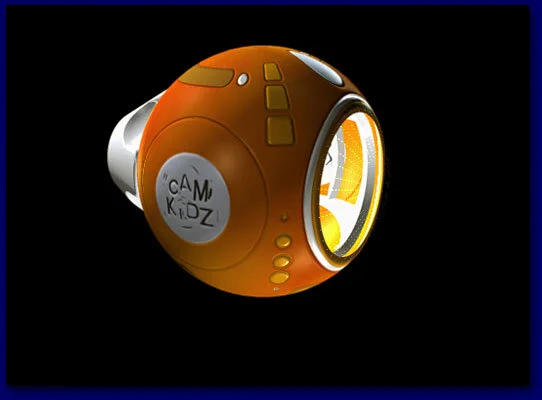
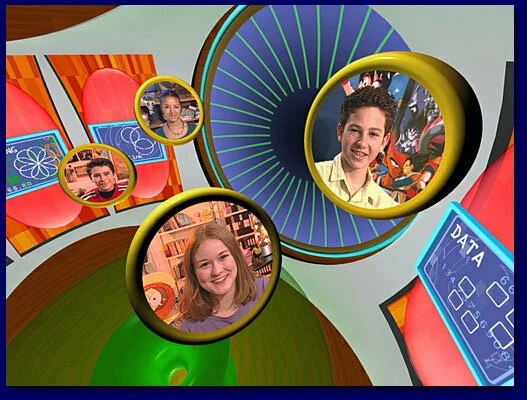
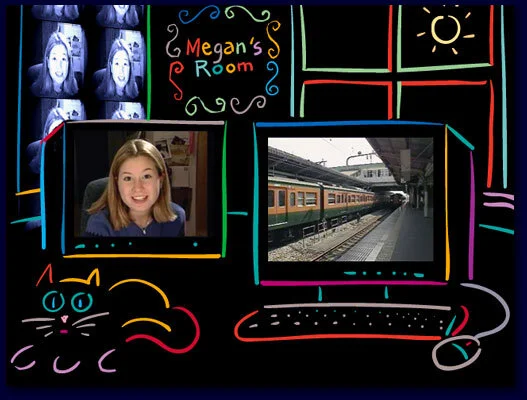
“CamKidz”, an interactive television series using technology to engage kids in shared real-world experiences. Produced in partnership with Institute for Civil Society, the series uses interactive storytelling to galvanize the creativity.
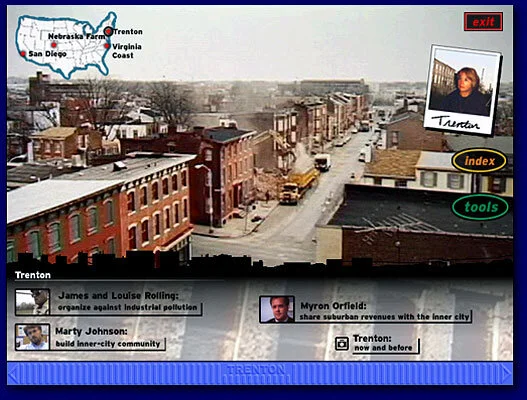
This Place Called Home, interactive documentary, Environmental Protection Agency
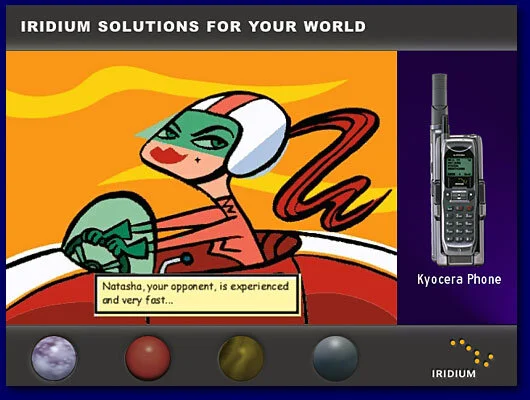
Iridium Games, Best of Show, Iridium Booth, Geneva Telecom
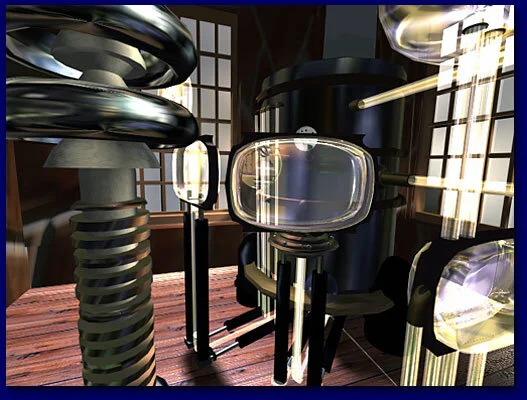
Sybase Lab, learning tool visualized in 3d animation
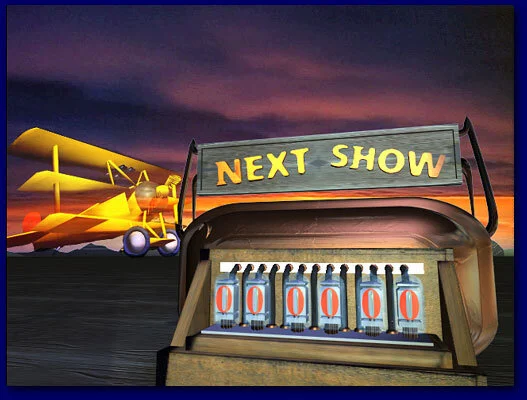
Discovery Kiosk, touch screen, Worcester Art Museum


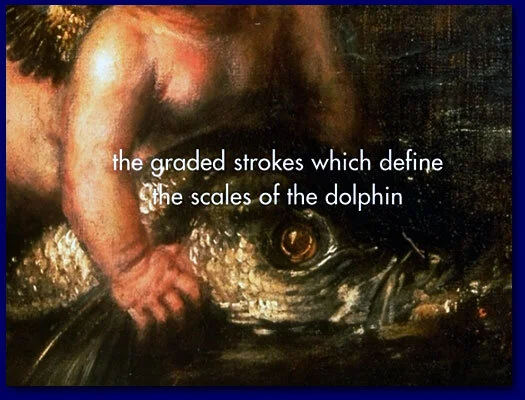
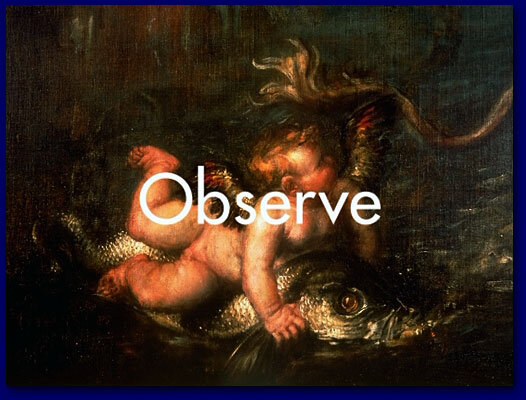
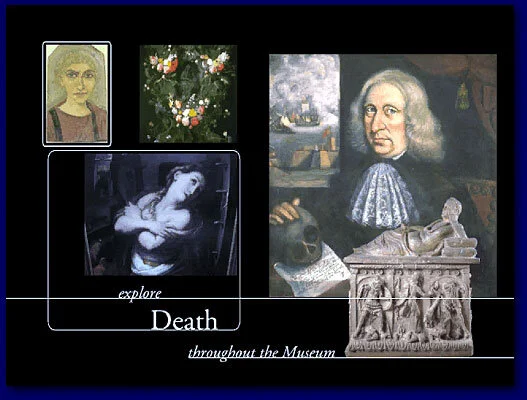

Titian Kiosk
One of twenty silent animations that emanate from points on Titian’s “Europa” to illuminate his masterpiece, Titian Kiosk
The Titian Kiosk was designed by Botticelli Interactive (Ellen Sebring, producer and script), for the Isabella Stewart Gardner Museum, 1998
Awarded the Silver Medal, New York Festivals International Multimedia Competition
“As for the computer images, they actually are a big deal. The Gardner’s DVD (Digital Video Disk) kiosk allows you to take any element of Europa and blow it up to full-screen size without sacrificing resolution. The Gardner staff have divided the painting into 20 “nuggets” (you can get a list by touching KEY): Europa, the bull (Zeus in disguise), the fish, the putti, the mountains, etc. — each with its own lucid accompanying text. The “black hole” area toward the lower left is the “Death” nugget; it tells how Titian died, in 1576, from the Plague. Don’t miss “Echoes,” which shows how Titian unifies the painting by repeating thematic elements: the angle of legs, the swirling of drapery, the preponderance of eyes. You could easily enjoy an hour at the kiosk, but even five minutes before going in to the show will have you poised to compare what Titian and Rubens have done.”
— Jeffrey Gantz, on the "Titian Kiosk" in the Isabella Stewart Gardner Museum, “Europa Europa: Another Gardner Thunderbolt: Titian and Rubens,” The Boston Phoenix, Jan. 29-Feb.5, 1998
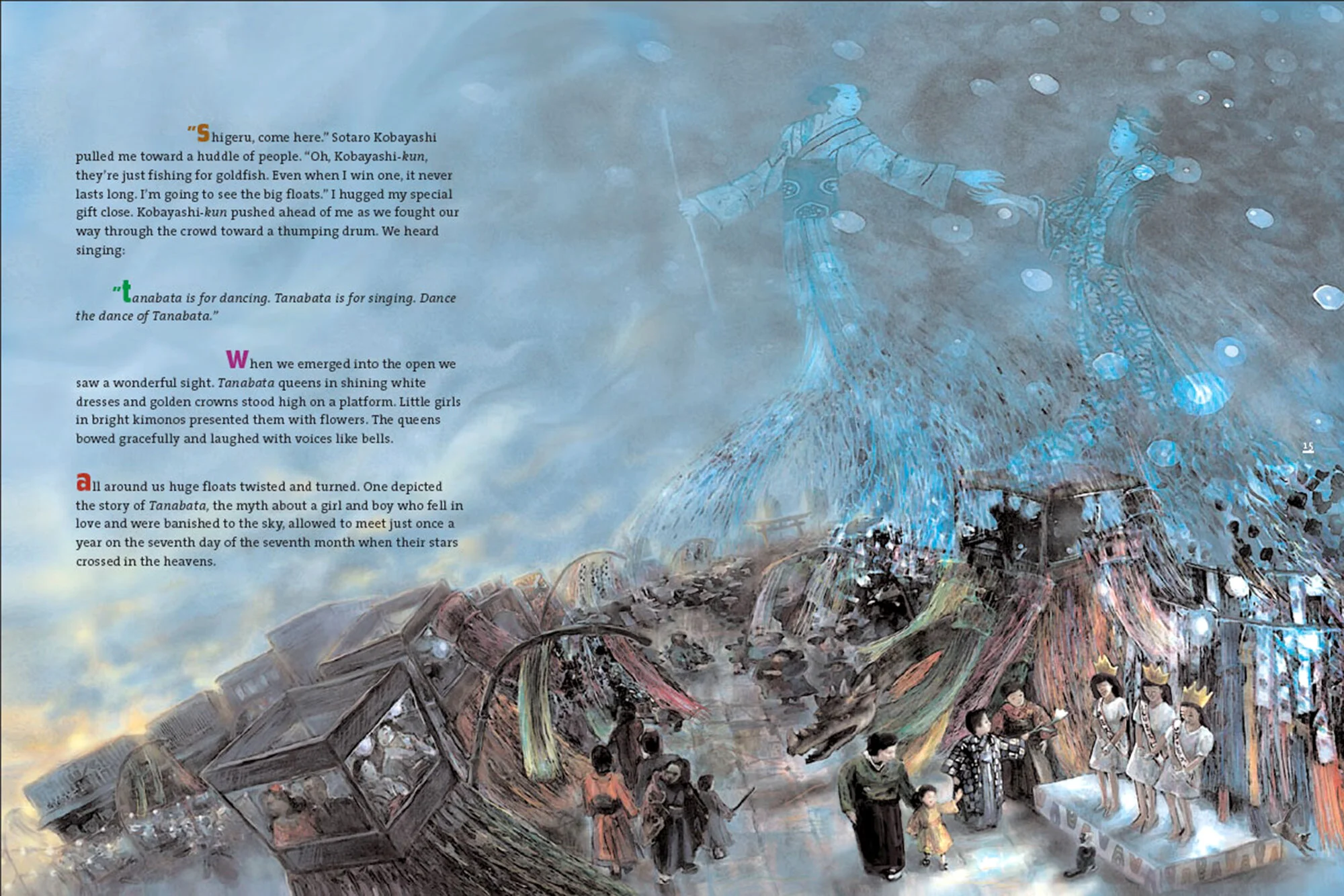
Star Festival: A Return to Japan
Interactive Documentary
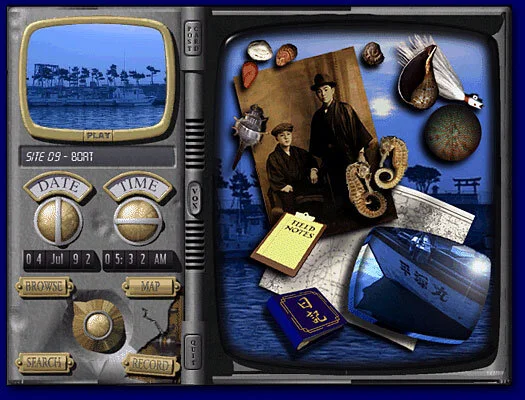
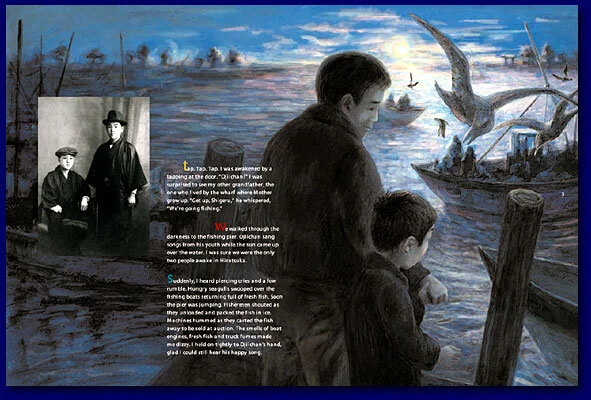
Star Festival, wharf and auction, filmed in Hiratsuka, Japan by Michael Roper (Botticelli Interactive)
Produced by Botticelli Interactive, 1995 - 2000, for MIT, Professor Shigeru Miyagawa, lead investigator/executive producer; Ellen Sebring, producer and script; Michael Roper, director and cinematographer.
Star Festival: A Return to Japan is an interactive cinéma vérité-style documentary based on the experiences of Shigeru Miyagawa, Professor of Linguistics at MIT, upon returning to his hometown of Hiratsuka, Japan after moving to the US as a child.
The user finds a PDA on the street filled with a professor’s video recordings voiced by actor George Takei. The PDA (personal digital assistant) design pre-dates broad use of video cameras in mobile devices by some six years. The user’s quest is to reconstruct the Professor’s journey. In addition to language tools and cultural information, the documentary probes what it means to have multiple heritages. Awarded Best in Show, MacWorld Expo, Boston
“In an increasingly complex and diversifying world, it is through the understanding of the personal histories and cultures of other people that we come to recognize the common bond we all share and begin the work of building the global community of the future. ‘Star Festival’ does this with style and luminous humanity.”
— George Takei, lead actor, Star Festival
Star Network
Web Series
Star Network: Star Festival was adapted into a narrative web series with additional actors, and became the first interactive digital curriculum adopted systemwide by Boston Public Schools. Awarded Distinguished Award, Multimedia Grandprix 2000, Tokyo.
“The most powerful aspect of the Star Festival project is its infinite adaptability into school curricula . . . We can show our students many universally common themes throughout the program, such as family, self-identity, sense of belonging, and the timeless value of humanity."
— Yu-Lan Lin, Ed.D Senior Program Director, World Languages
Image top of page: Camkidz interactive television prototype, Botticelli Interactive, webcam portal designed by Ark Studios, 1998 - 2000