Ellen Sebring, PhD, is an artist, designer, and new media researcher. Creative Director of the MIT Visualizing Cultures project since its founding in 2002, she was a Research Fellow at the Center for Advanced Visual Studies at MIT, and Post-Doctoral Associate at Duke University. In the late 1990s, she was President of Botticelli Interactive, Inc.
Sebring earned the SMVisS degree at the Massachusetts Institute of Technology, and the PhD at the Centre for Advanced Inquiry in the Integrative Arts (CAiiA) at Plymouth University in the UK. She is on the Board of the Goldring-Piene Foundation. CV / BIO
Centerbook
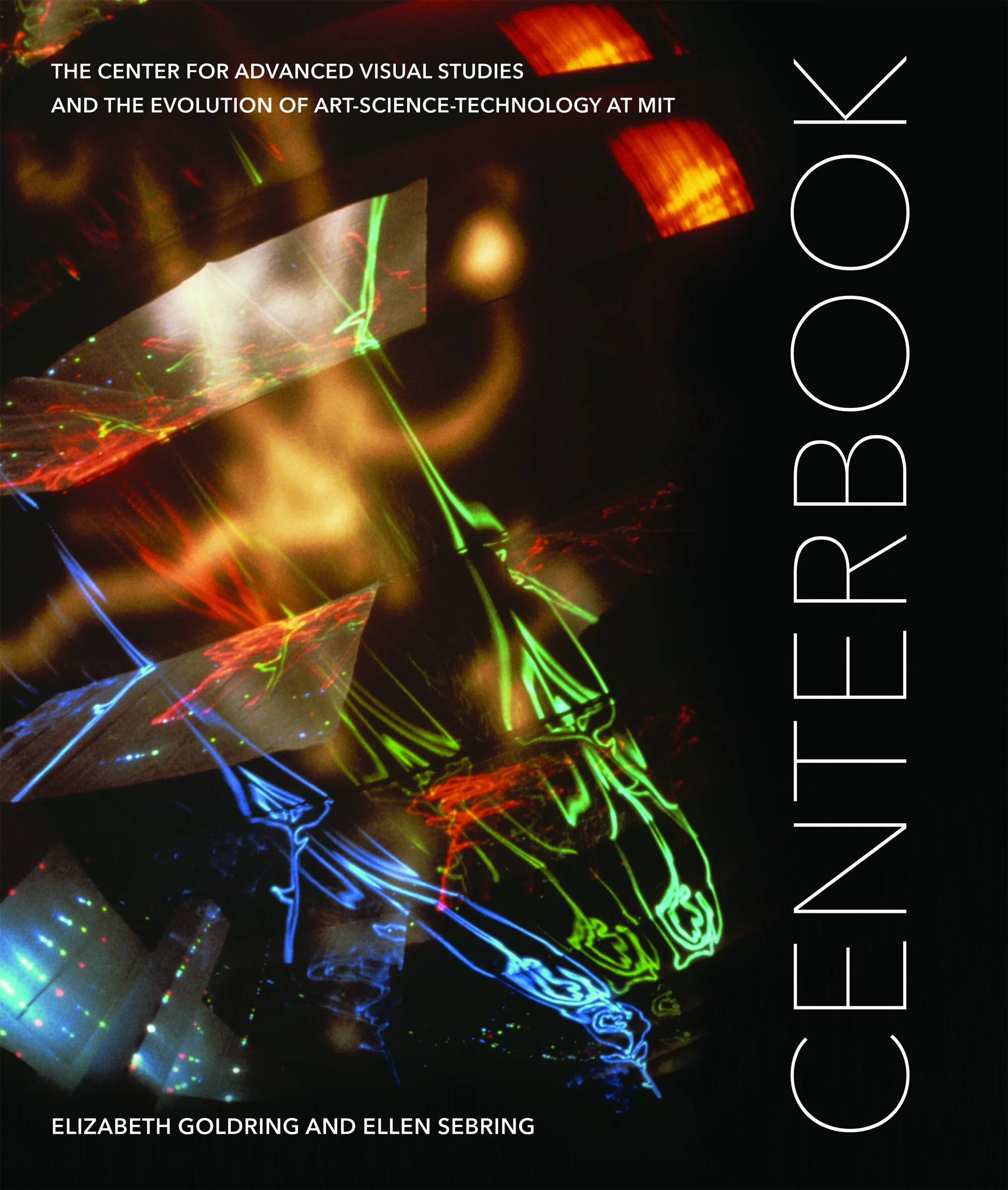
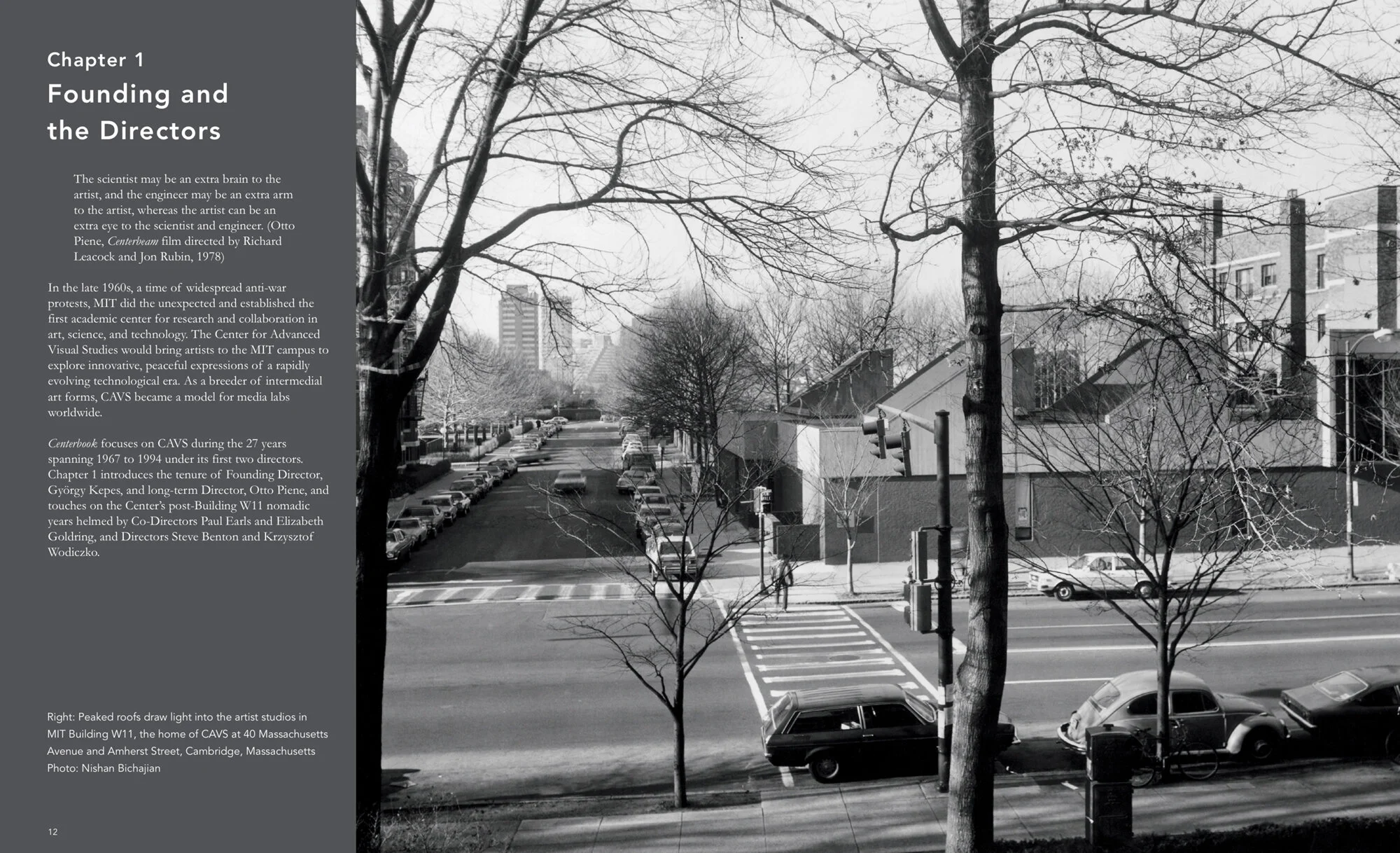
Centerbook: The Center for Advanced Visual Studies and the Evolution of Art-Science-Technology at MIT
by Elizabeth Goldring and Ellen Sebring, published by SA+P Press and ZKM Karlsruhe, 2019. Distributed by MIT Press
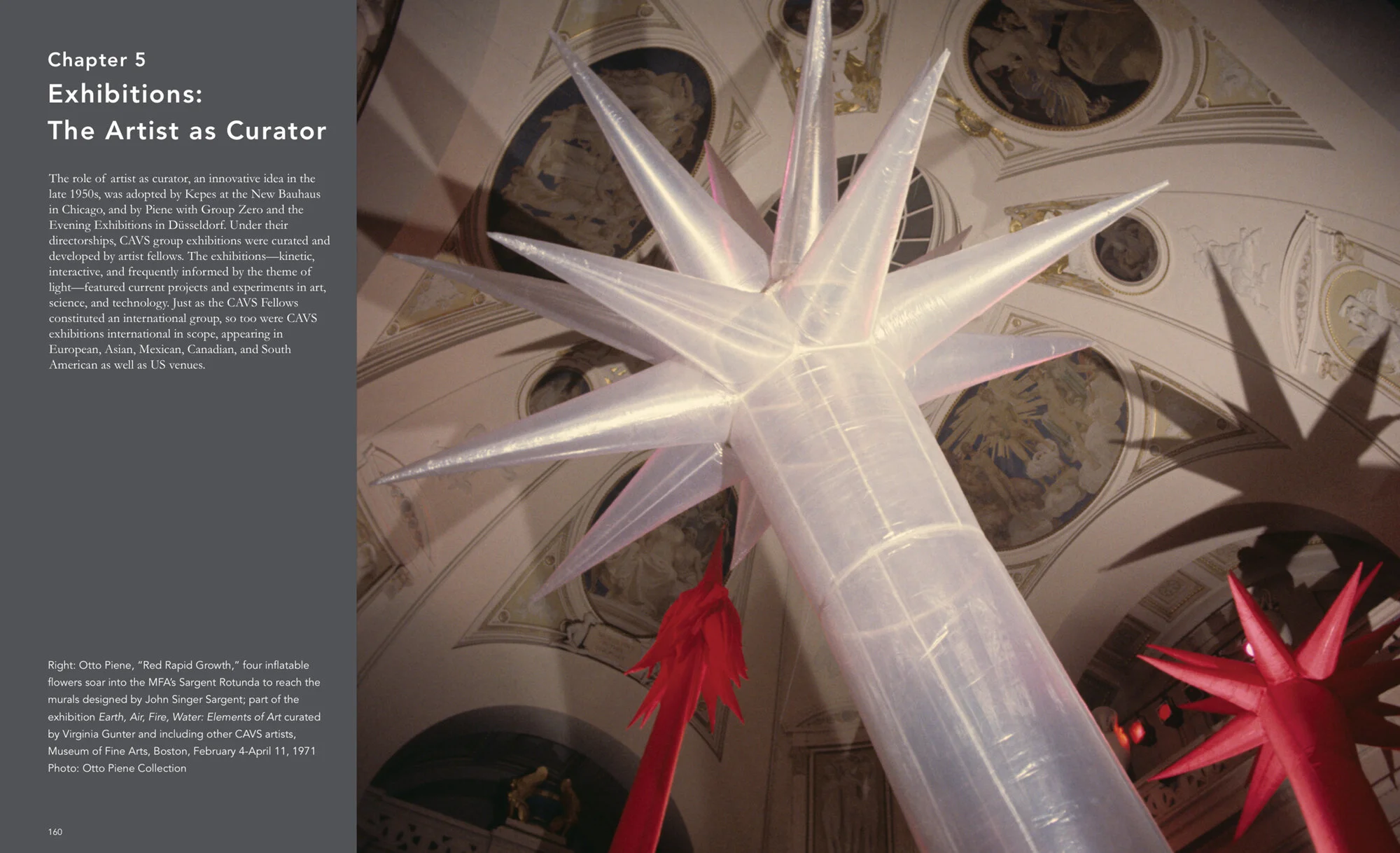
Centerbook is the first history of MIT’s Center for Advanced Visual Studies (CAVS), and was co-written by Elizabeth Goldring and Ellen Sebring. Sebring also designed the book, drawing on a database of over 30,000 images. The book features a new text on the genome of art and technology by art historian Peter Weibel, and an afterword by Gediminas Urbonas, Professor at ACT/MIT. Launched at the Frankfurt Book Fair in 2019, Centerbook was presented at the Goethe Institute Boston and research salon at MIT Art Culture and Technology, October 2023. Images: cover and pages from Centerbook
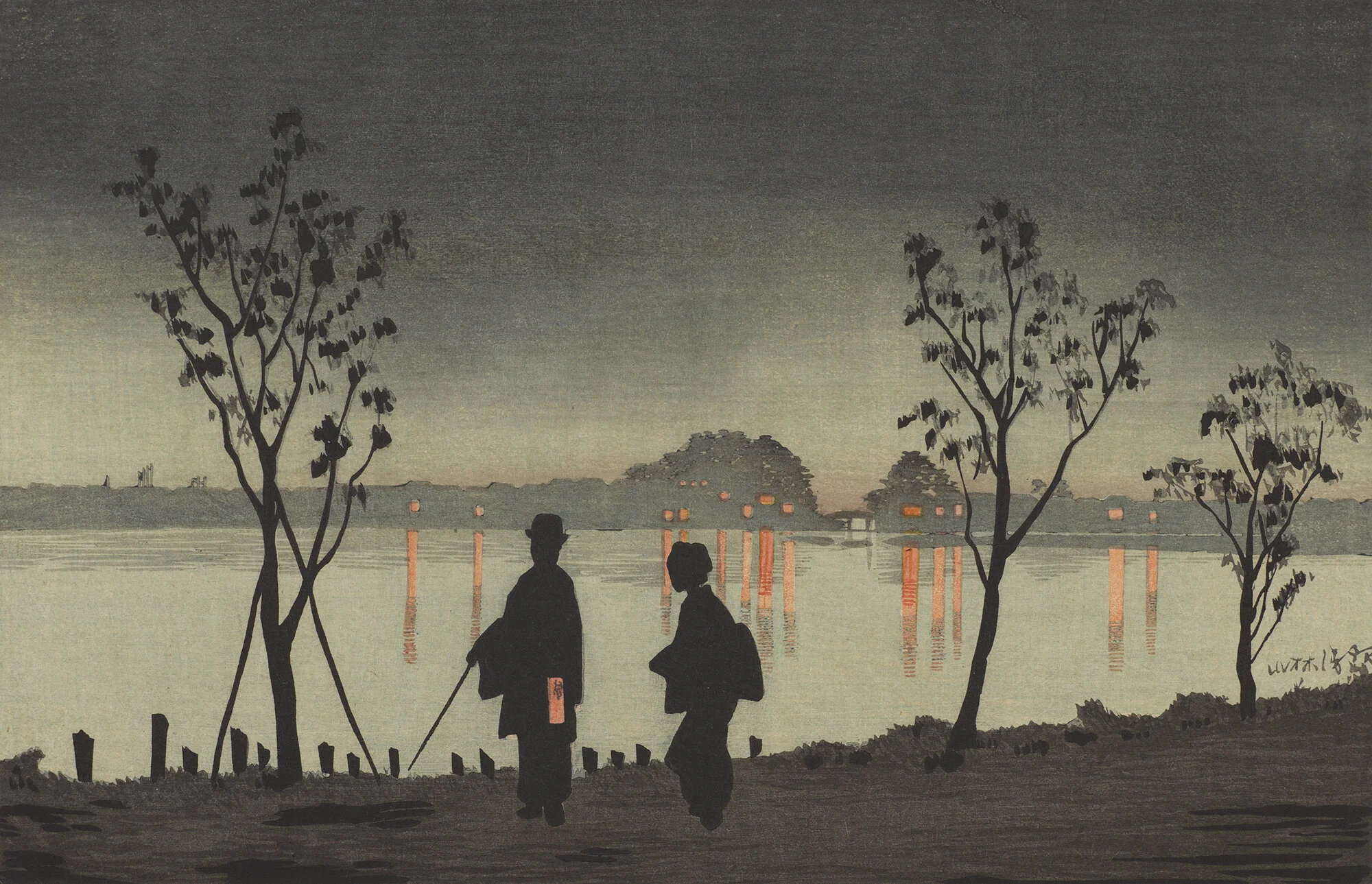
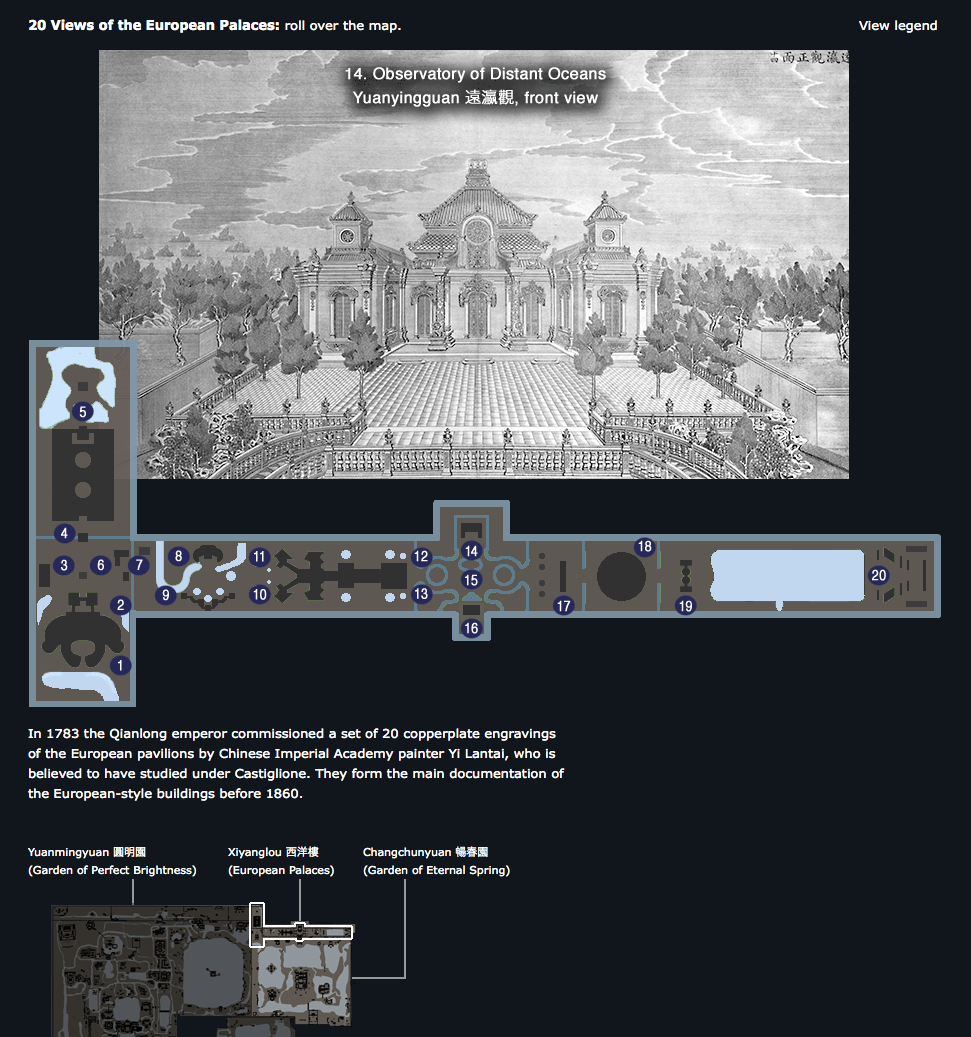
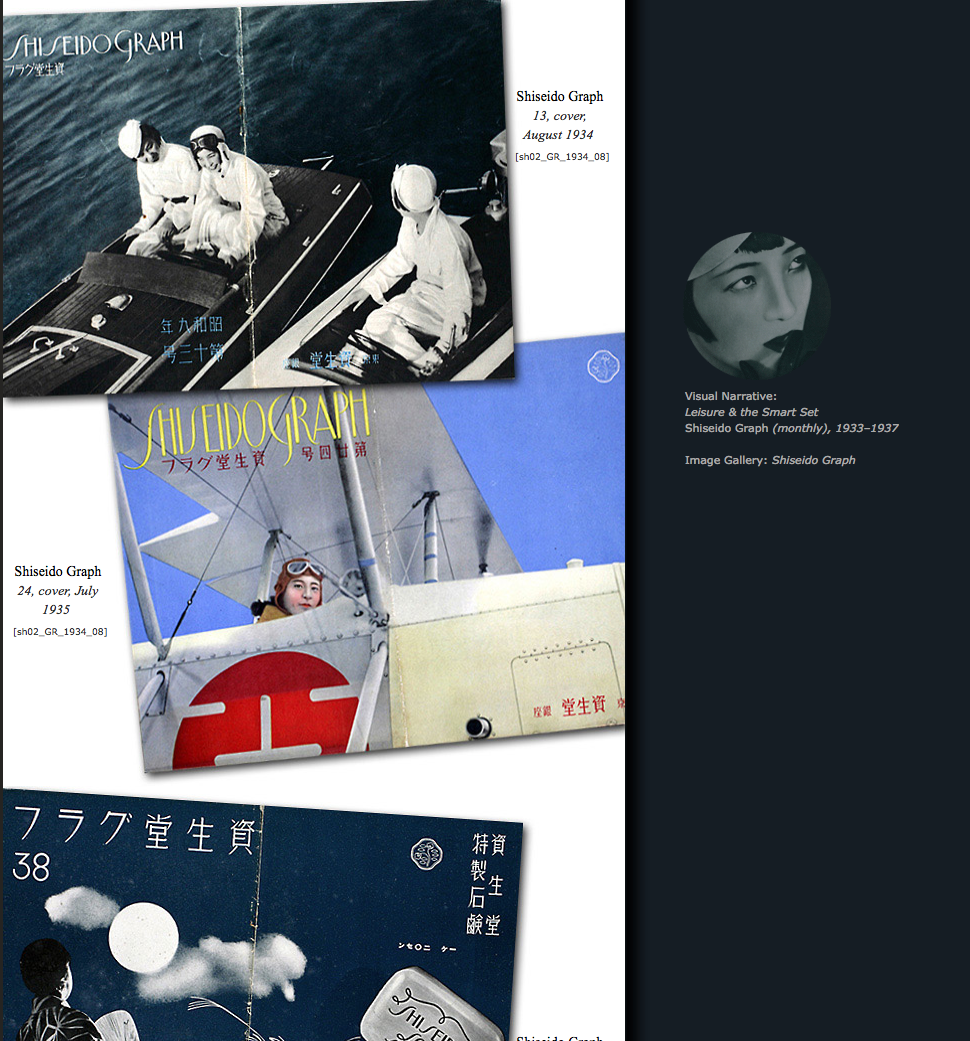
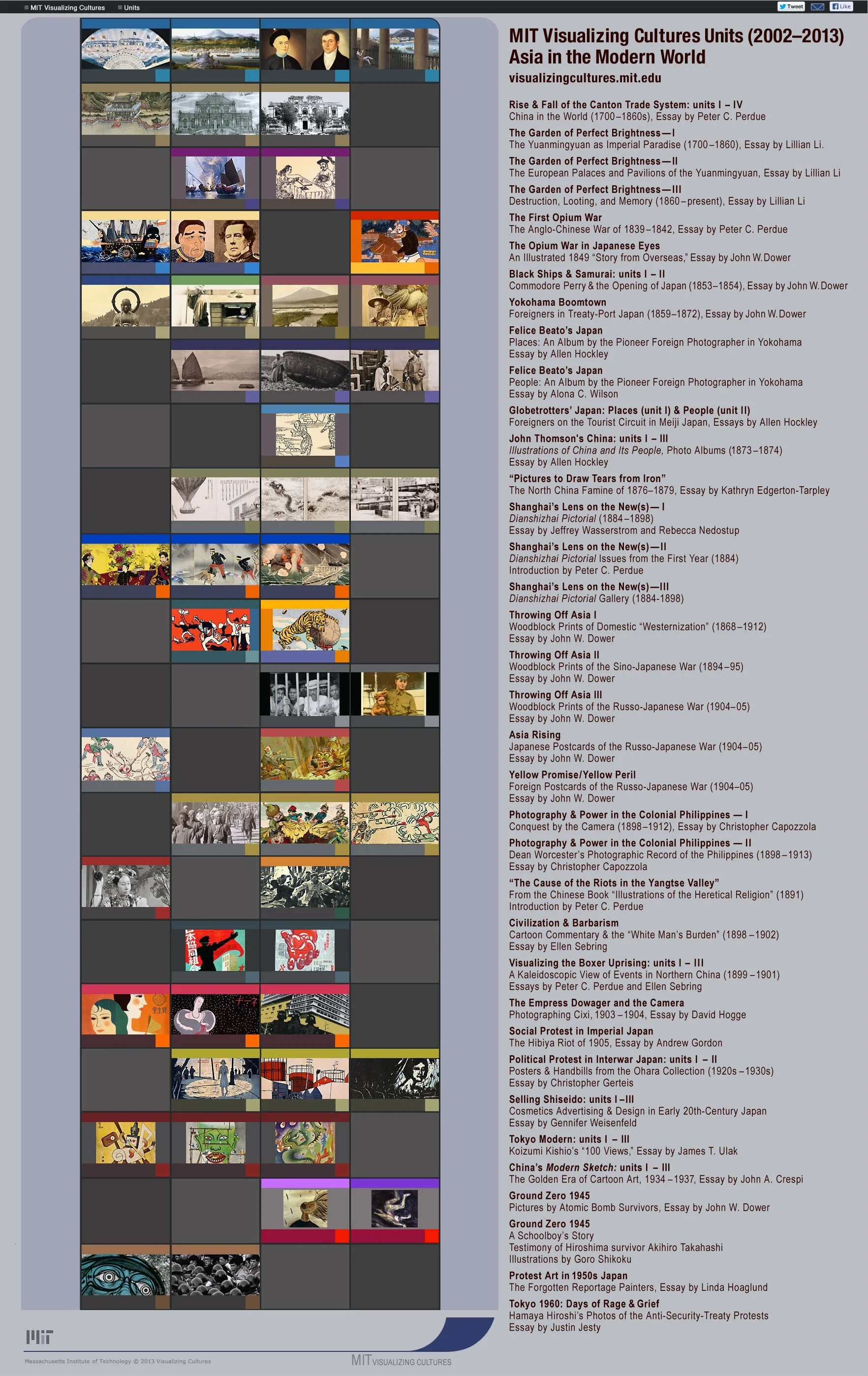
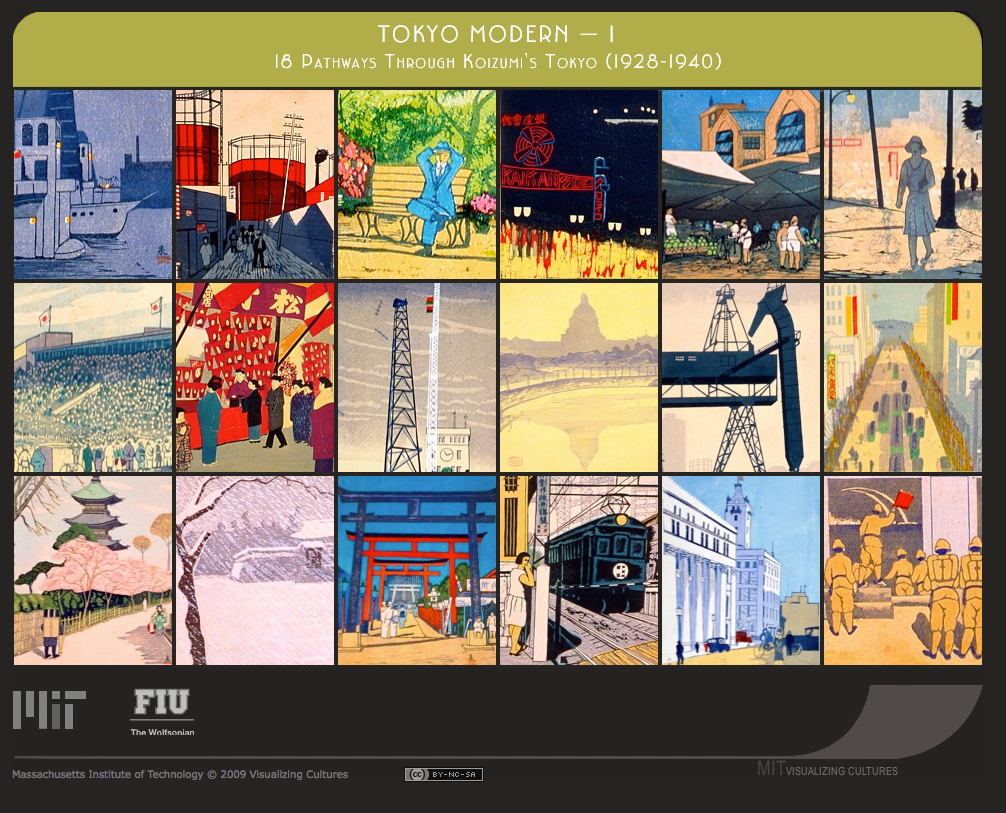
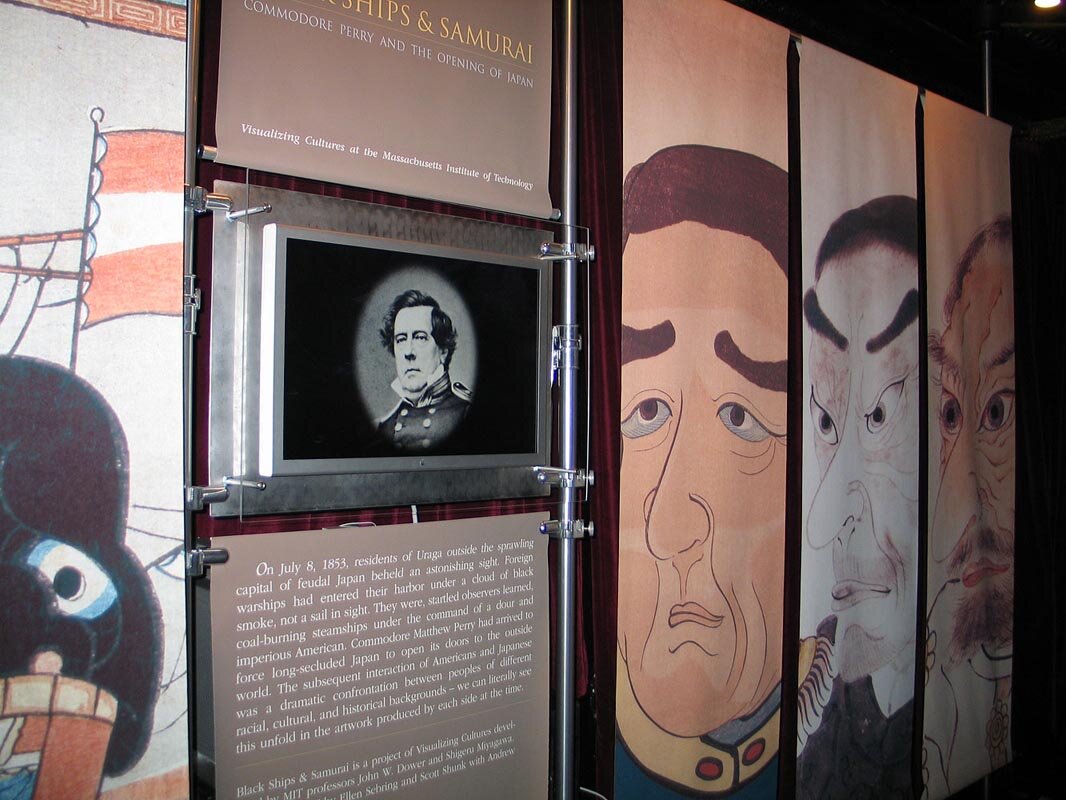
As Creative Director of the MIT Visualizing Cultures project, Sebring designed the framework, and collaborated with some 28 scholars on more than 50 content units. Visualizing Cultures was founded at MIT in 2002 by historian John W. Dower and linguist Shigeru Miyagawa to explore new forms of history offered by the digitized visual record. VC is a widely used resource for image-driven scholarship on modern Japan and China, co-sponsoring four academic conferences. Sebring’s essays on image-driven scholarship and history include Civilization & Barbarism: Cartoon Commentary & the “White Man’s Burden” (1898–1902).
Three online courses created by Dower and Sebring with prominent scholars are now globally available on the MITx platform. Images: samples from MIT Visualizing Cultures website and exhibitions, and from Sebring’s essay Civilization & Barbarism. MORE
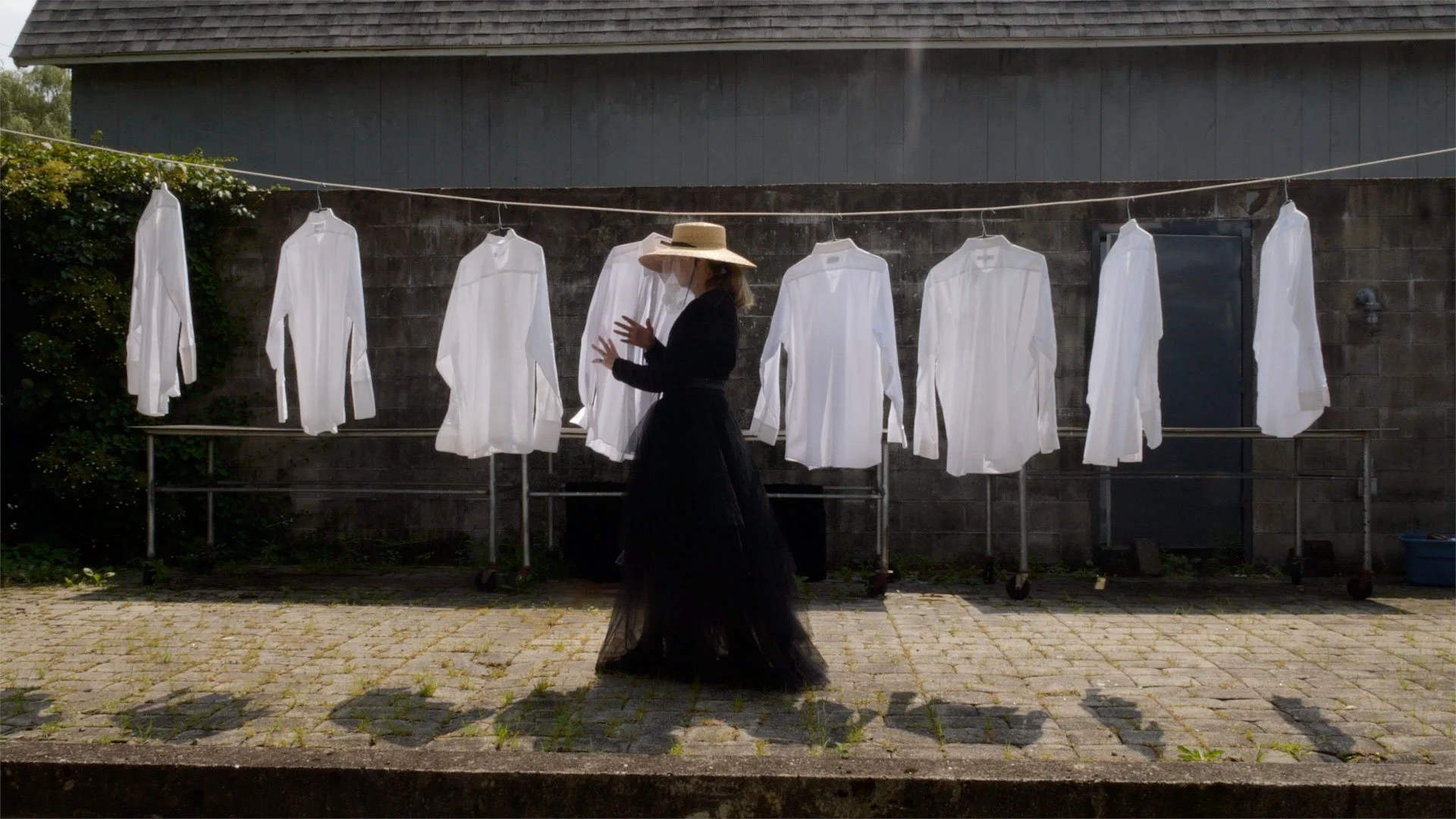
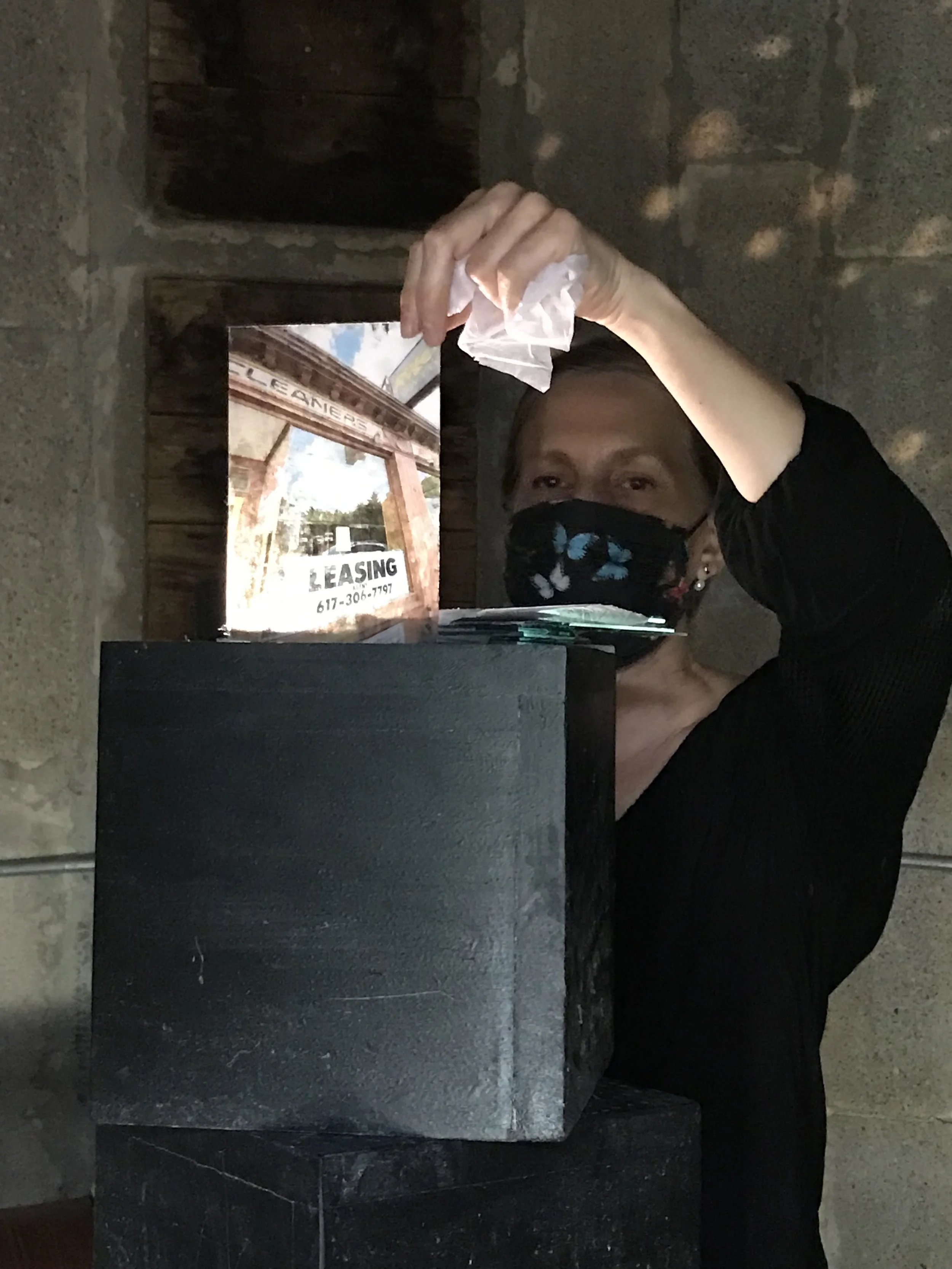
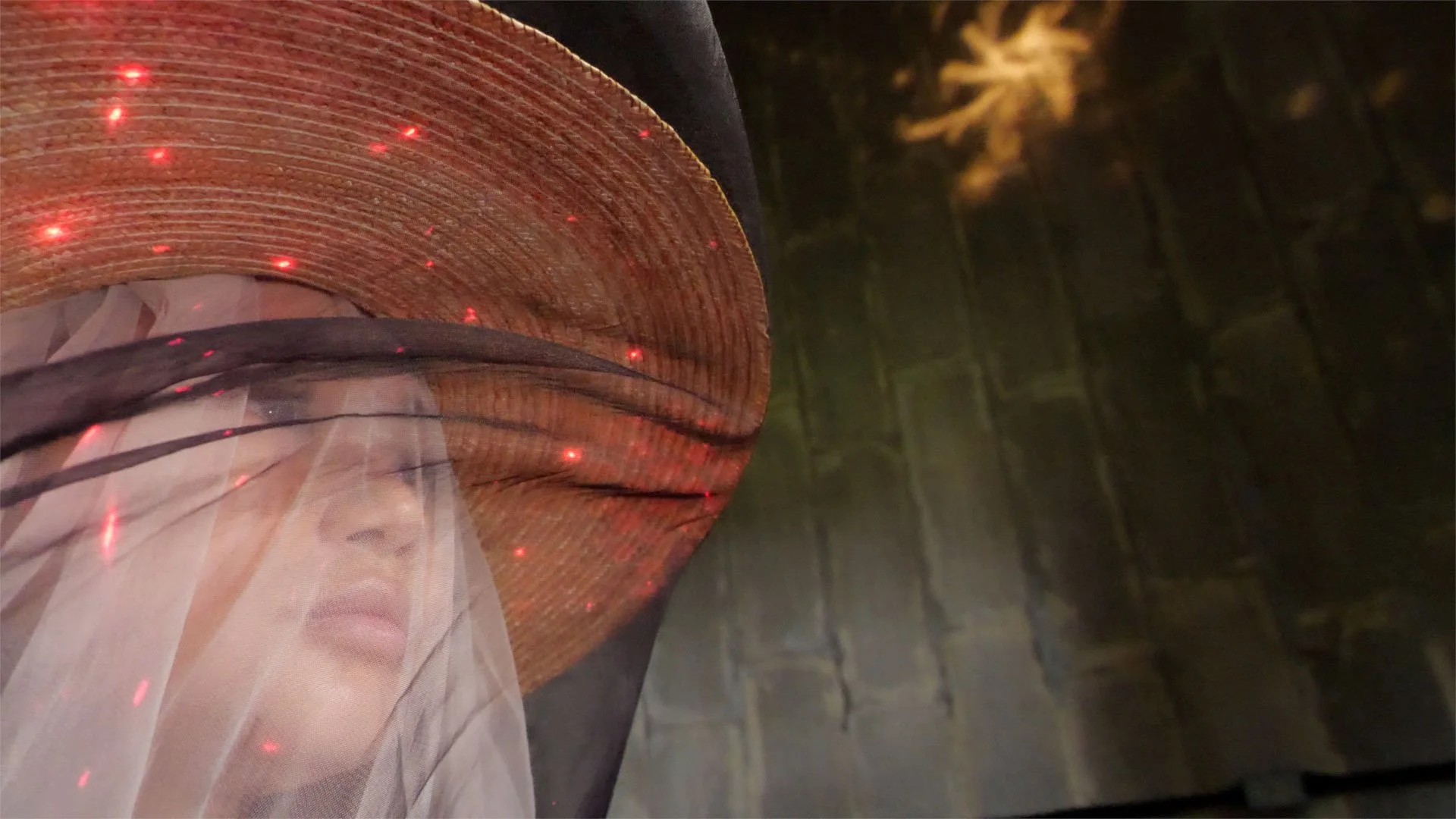
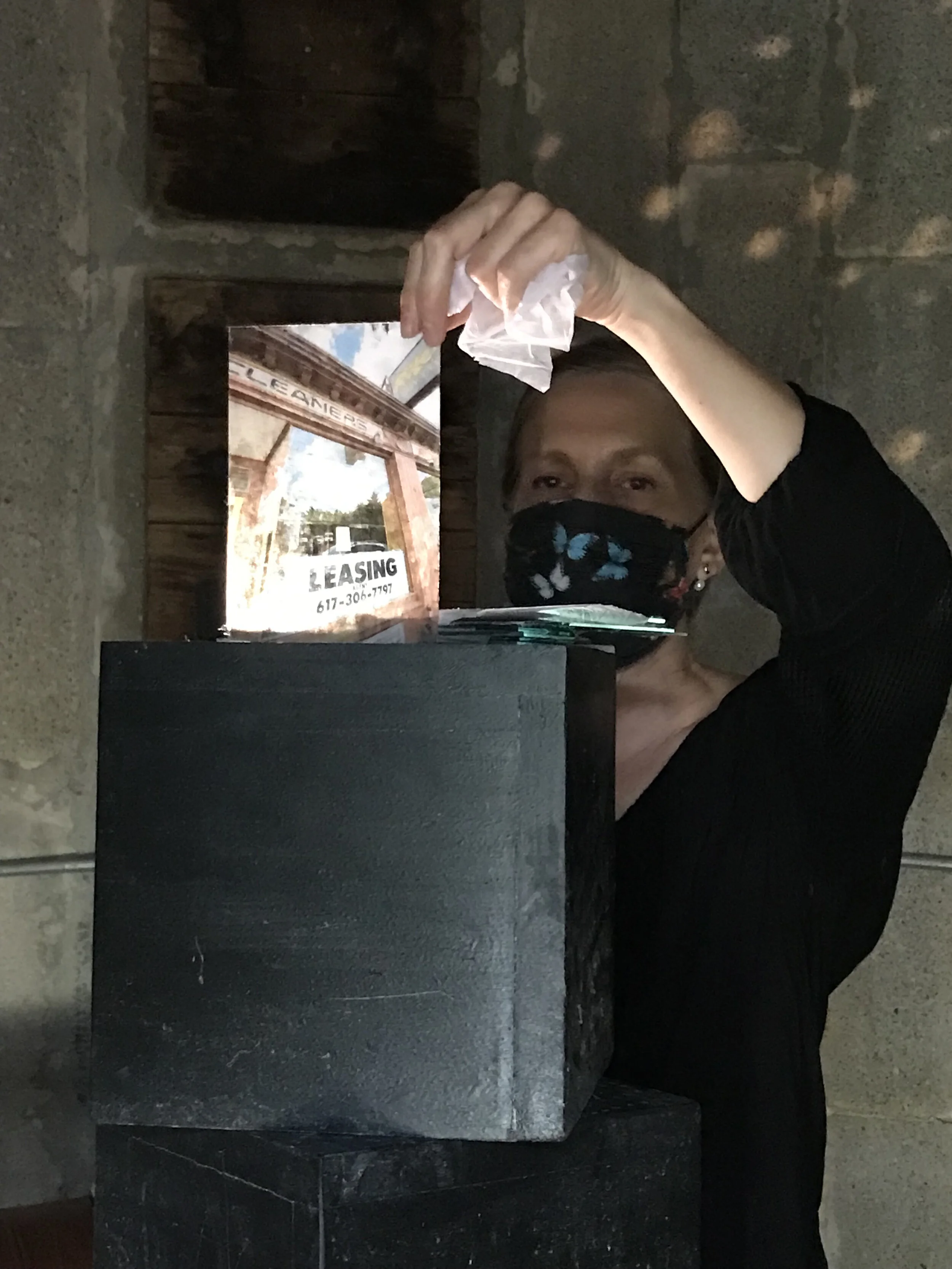
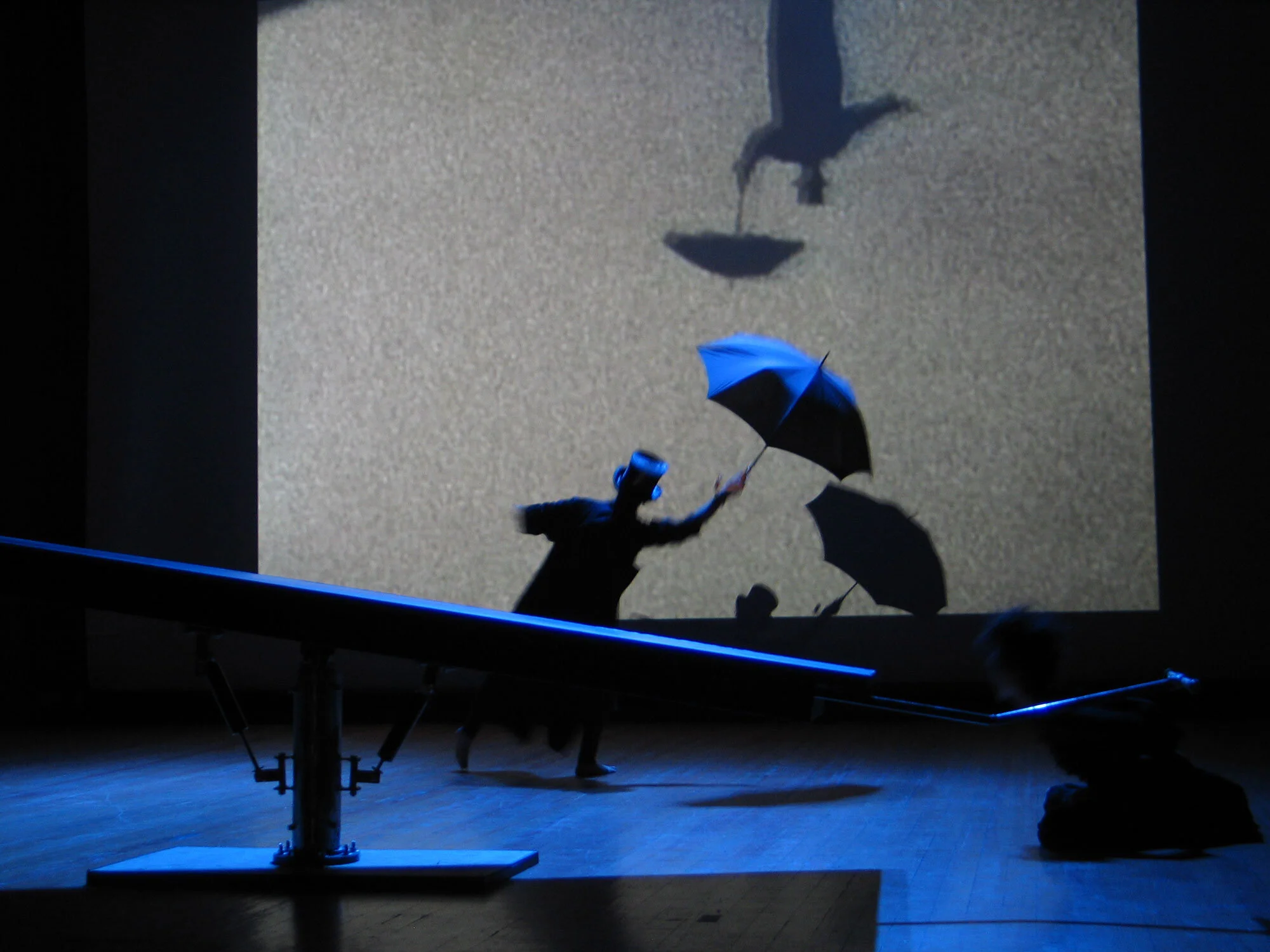
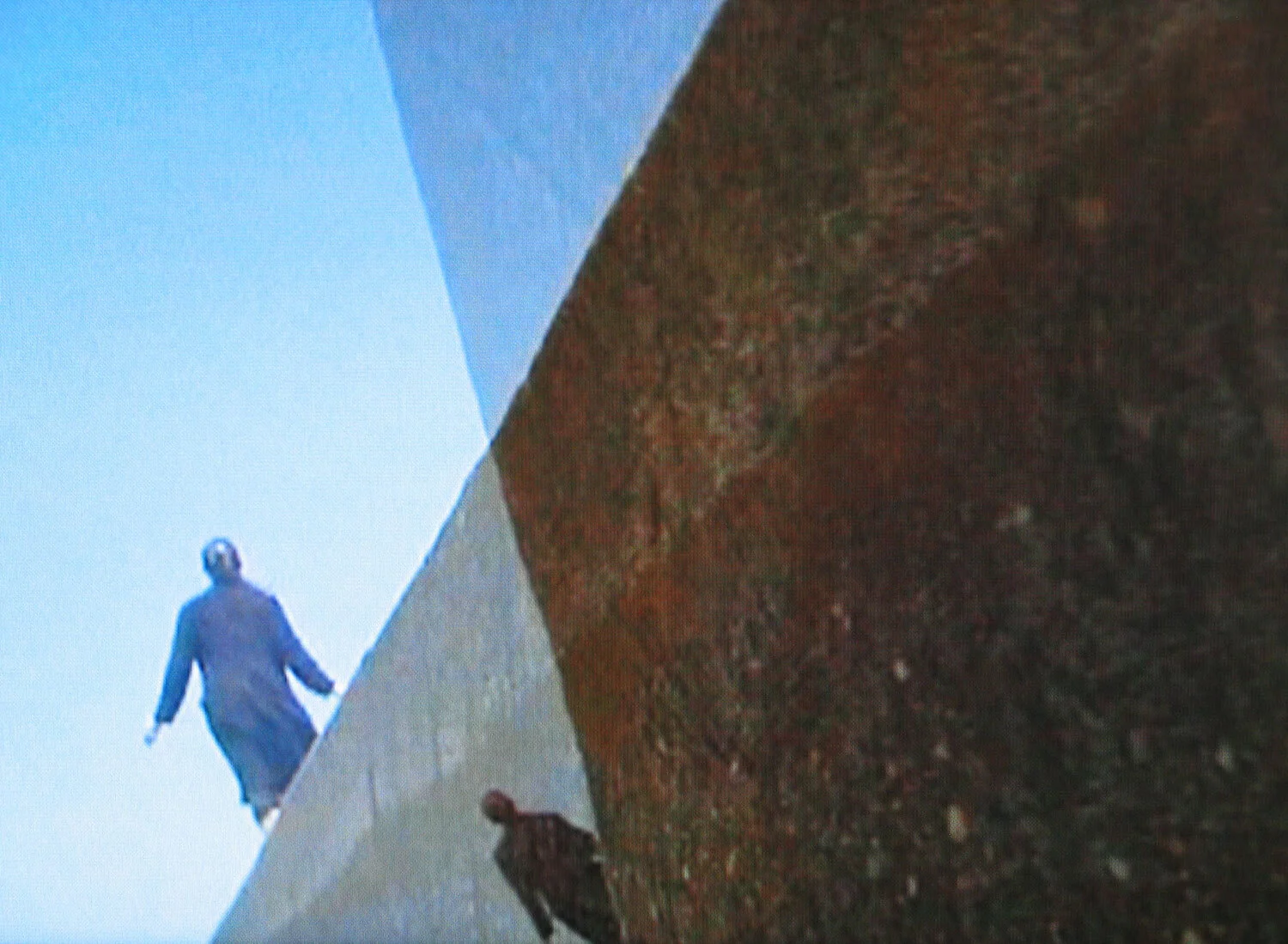
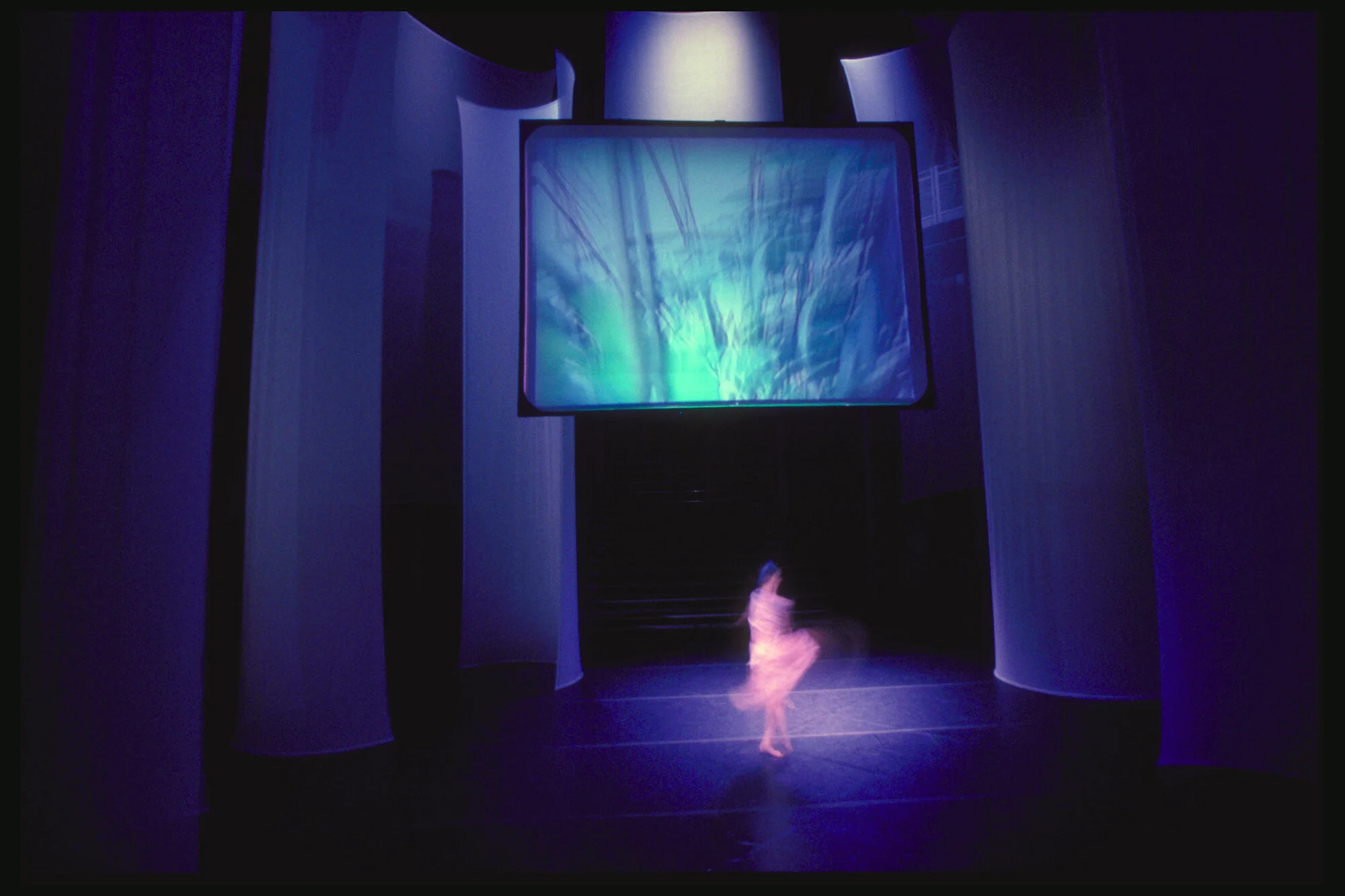
Sebring’s video art work explores deconstructed narrative through image-sound composition, applying the principles of music composition to visual imagery. Her recent works have been featured at the B3 Festival, Frankfurt am Main, Germany.
Images: video art works and collaborations by Ellen Sebring MORE
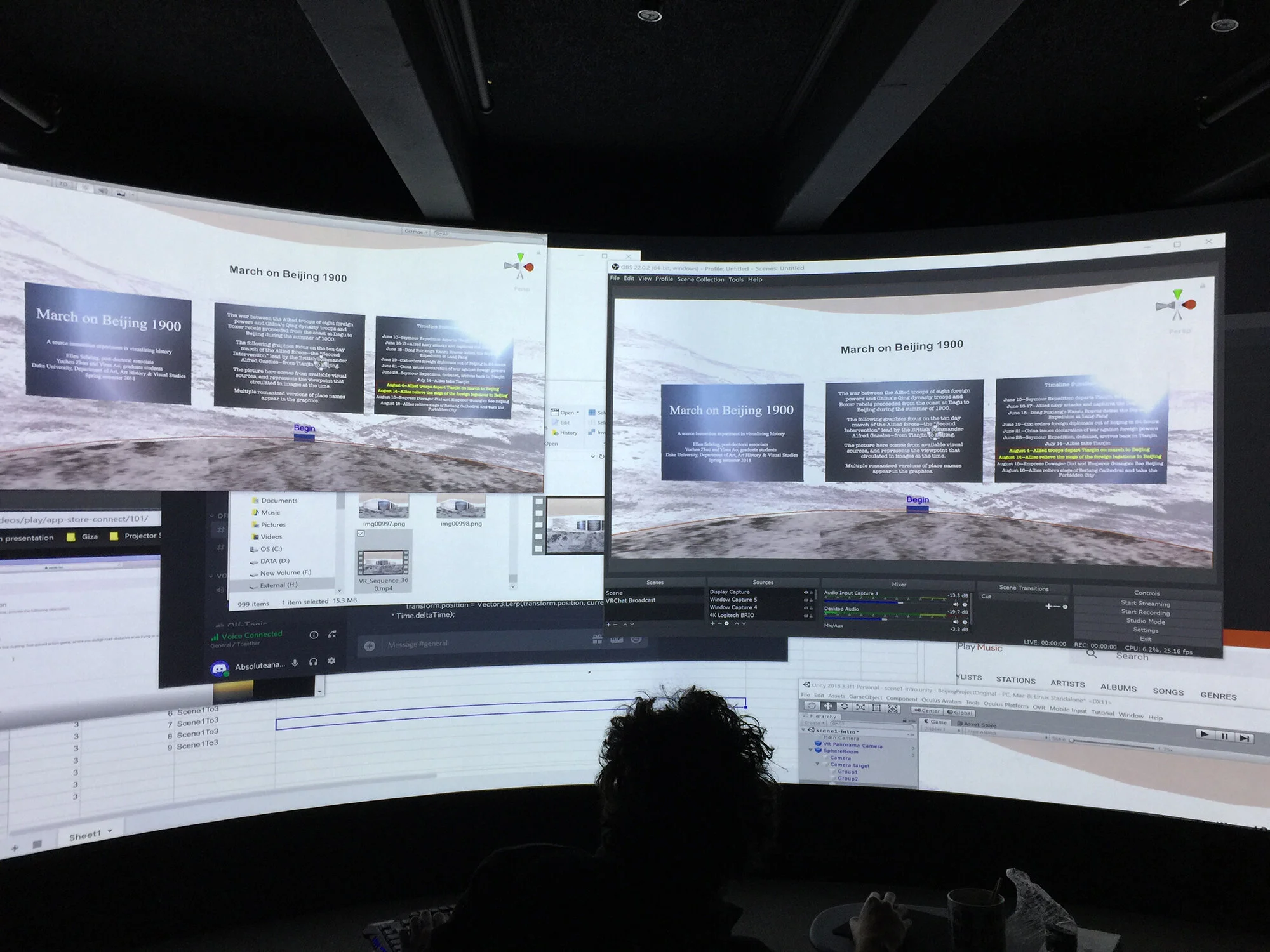
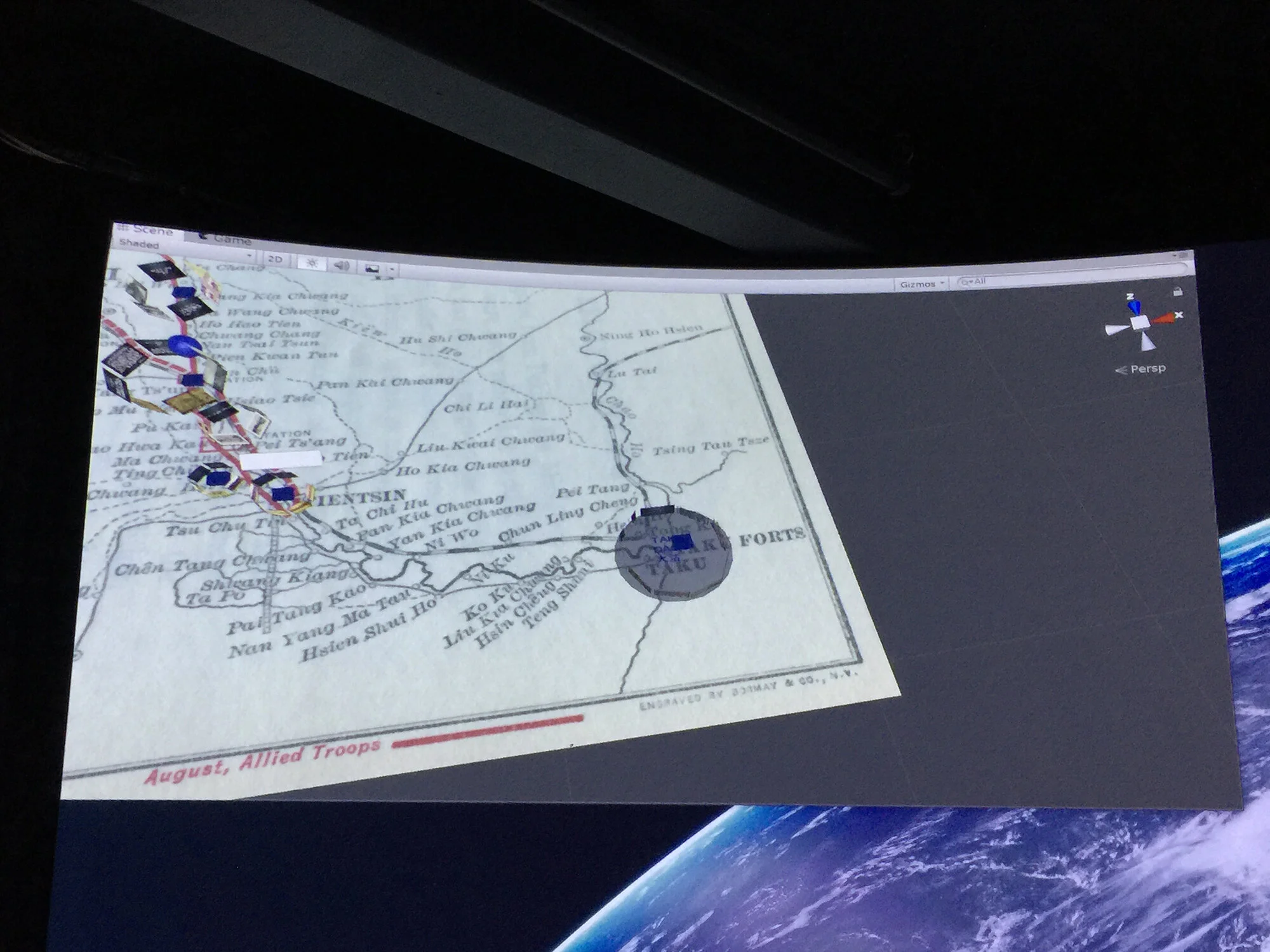
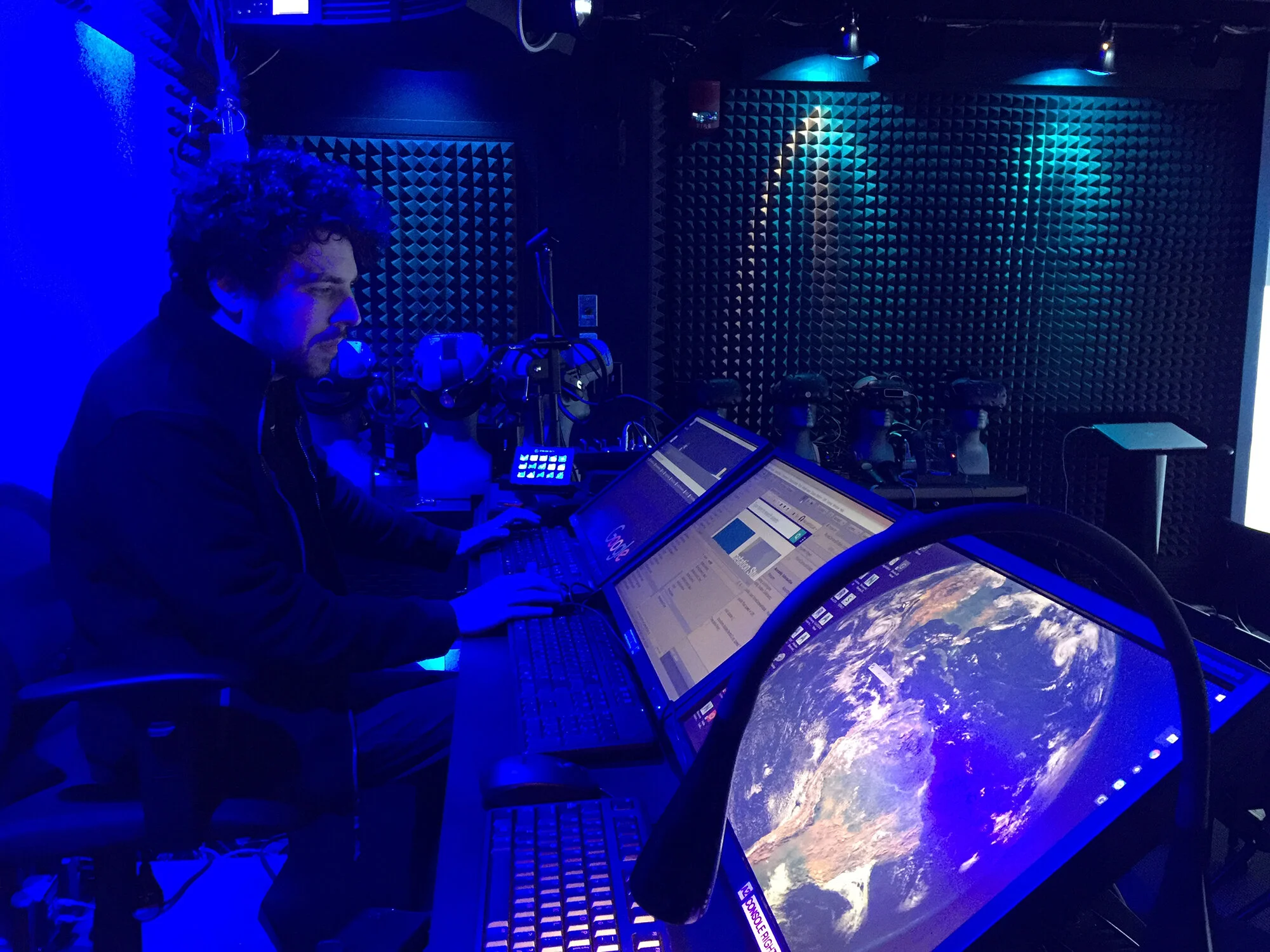
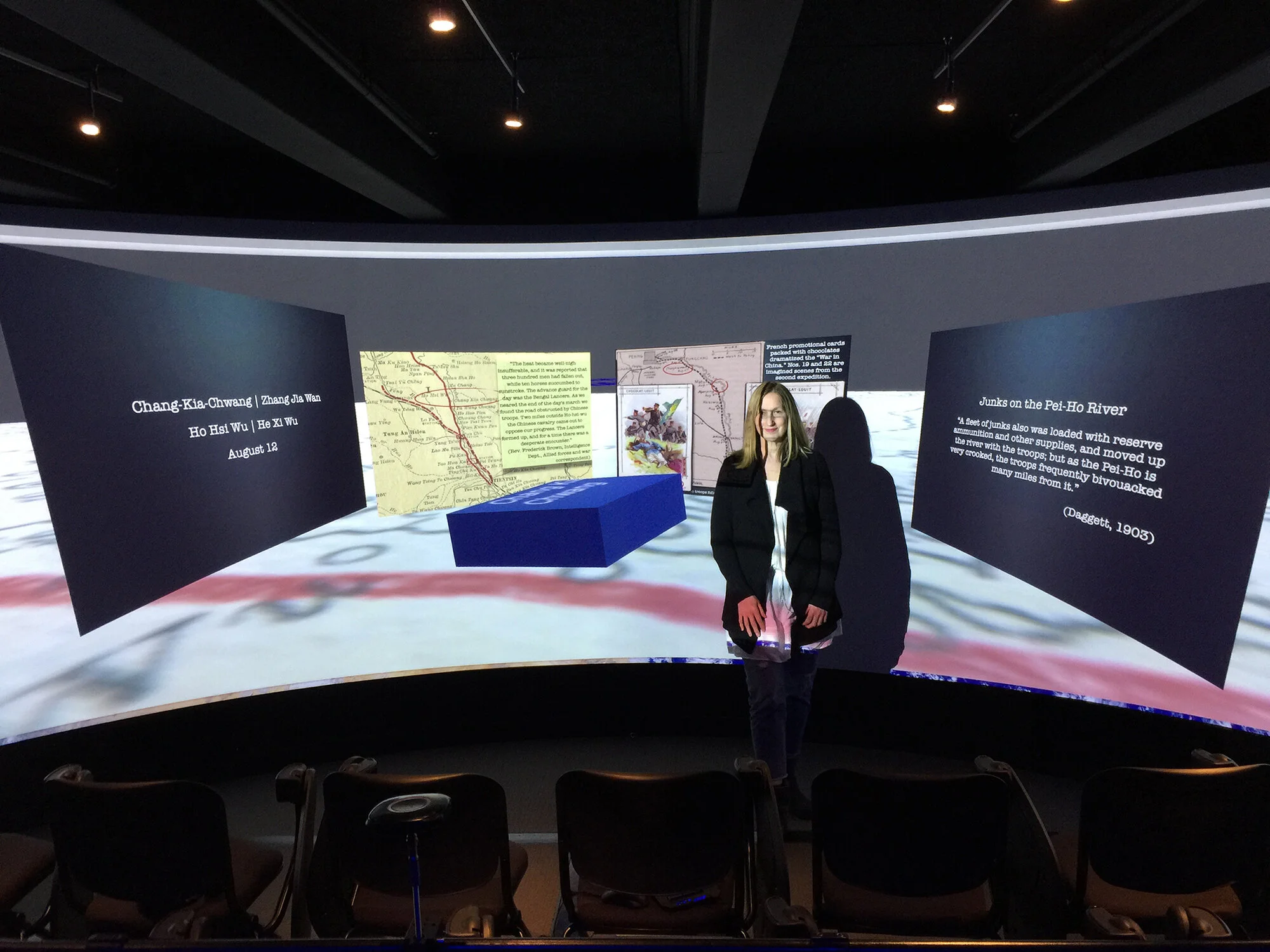

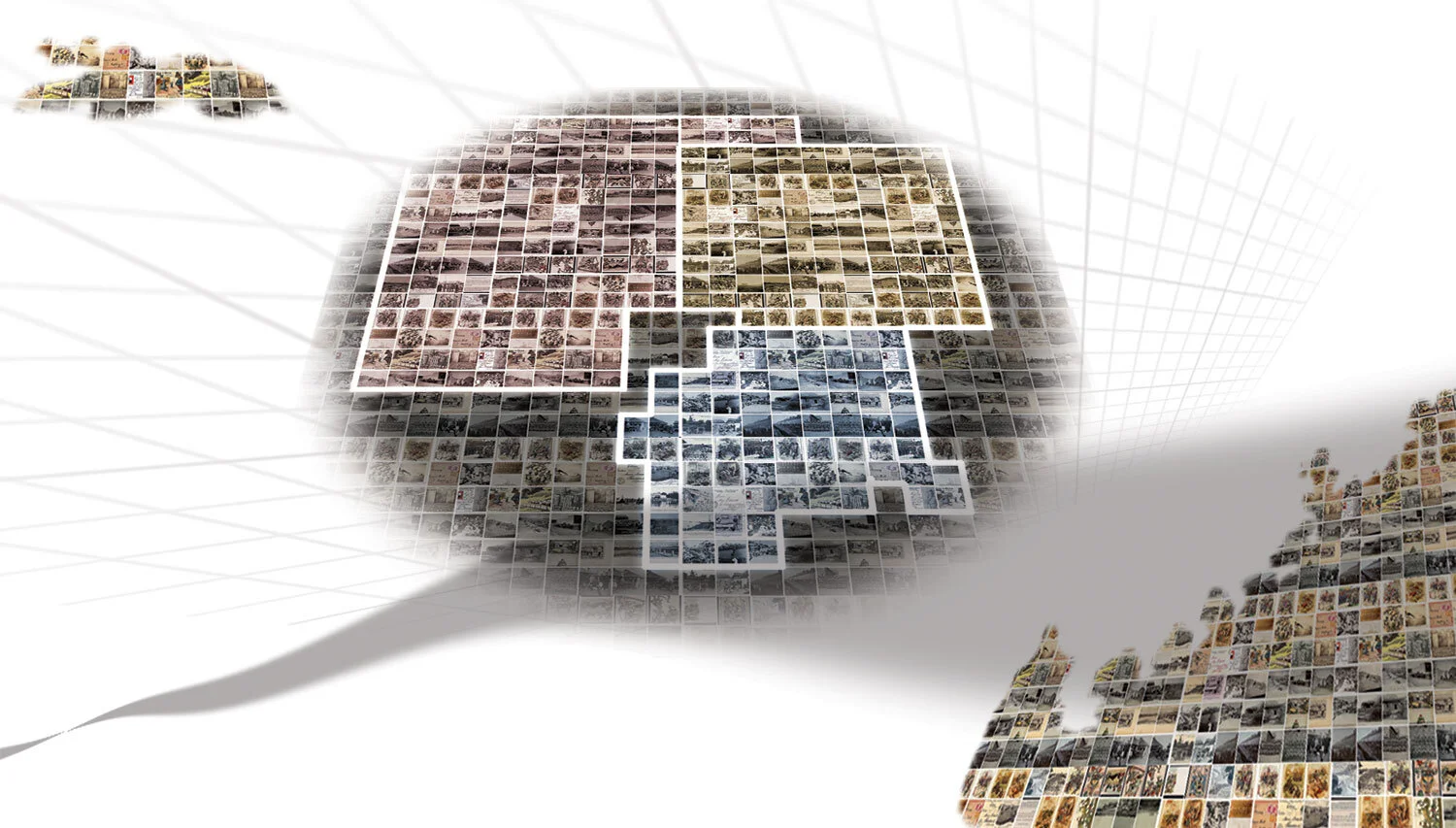
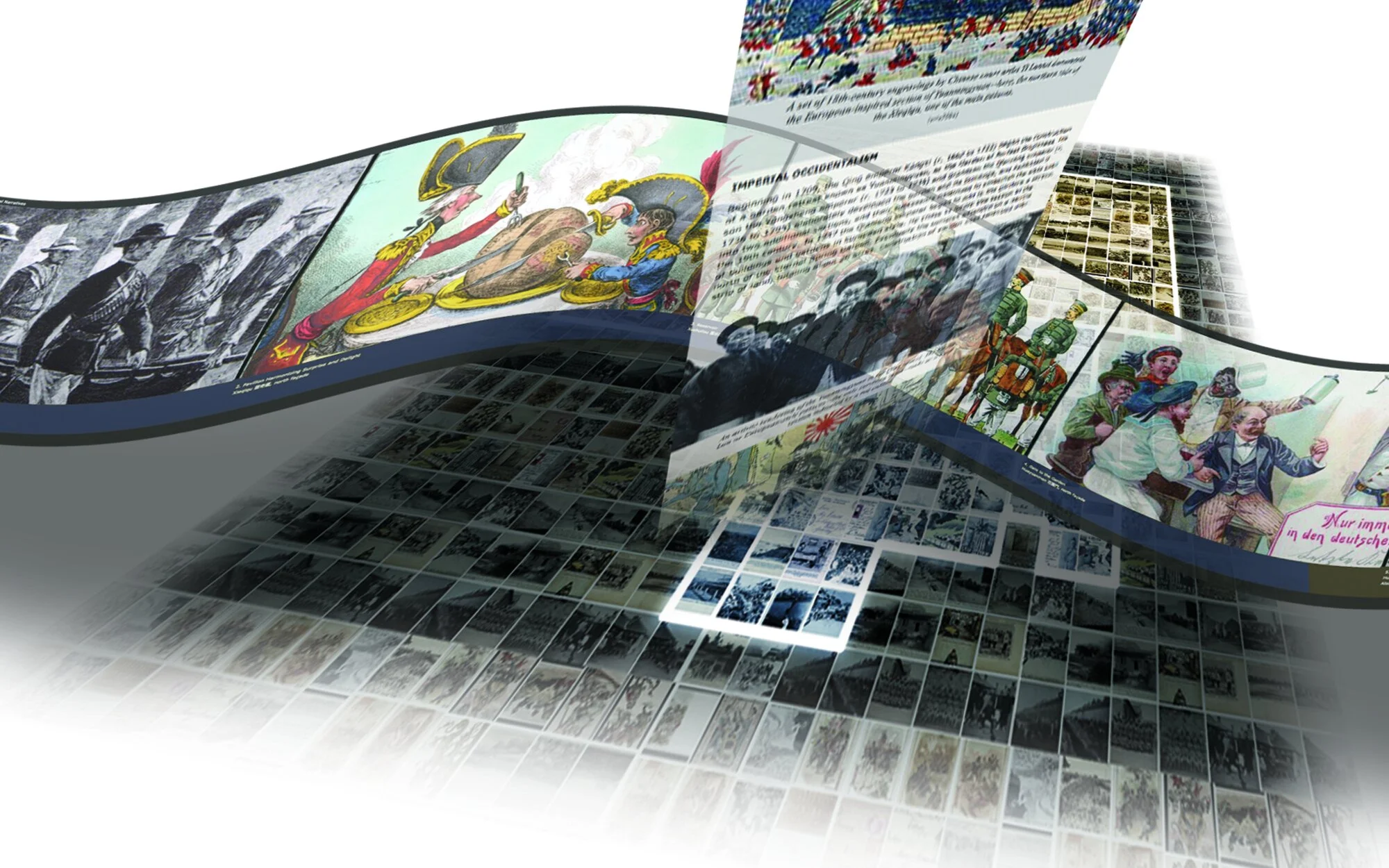
What kind of history is captured in images that can now be broadly seen, juxtaposed and shared? Is there a visual narrative form that can tell the stories embedded in newly digitized archives? Sebring proposes a relational grammar of images that conveys a tactile history differently from traditional text-based forms. Sebring’s “March 1900” virtual reality project uses an image-based historiographic approach, part of her doctoral research on the multinational visual record of the Boxer Uprising in China, 1900 that proposes a software design for visual authoring that unites narrative with database. Images: Excerpt from immersive VR prototype, March 1900. At the Harvard Visualization Lab, March 1900 VR project (photos by Rus Gant, lab director) MORE

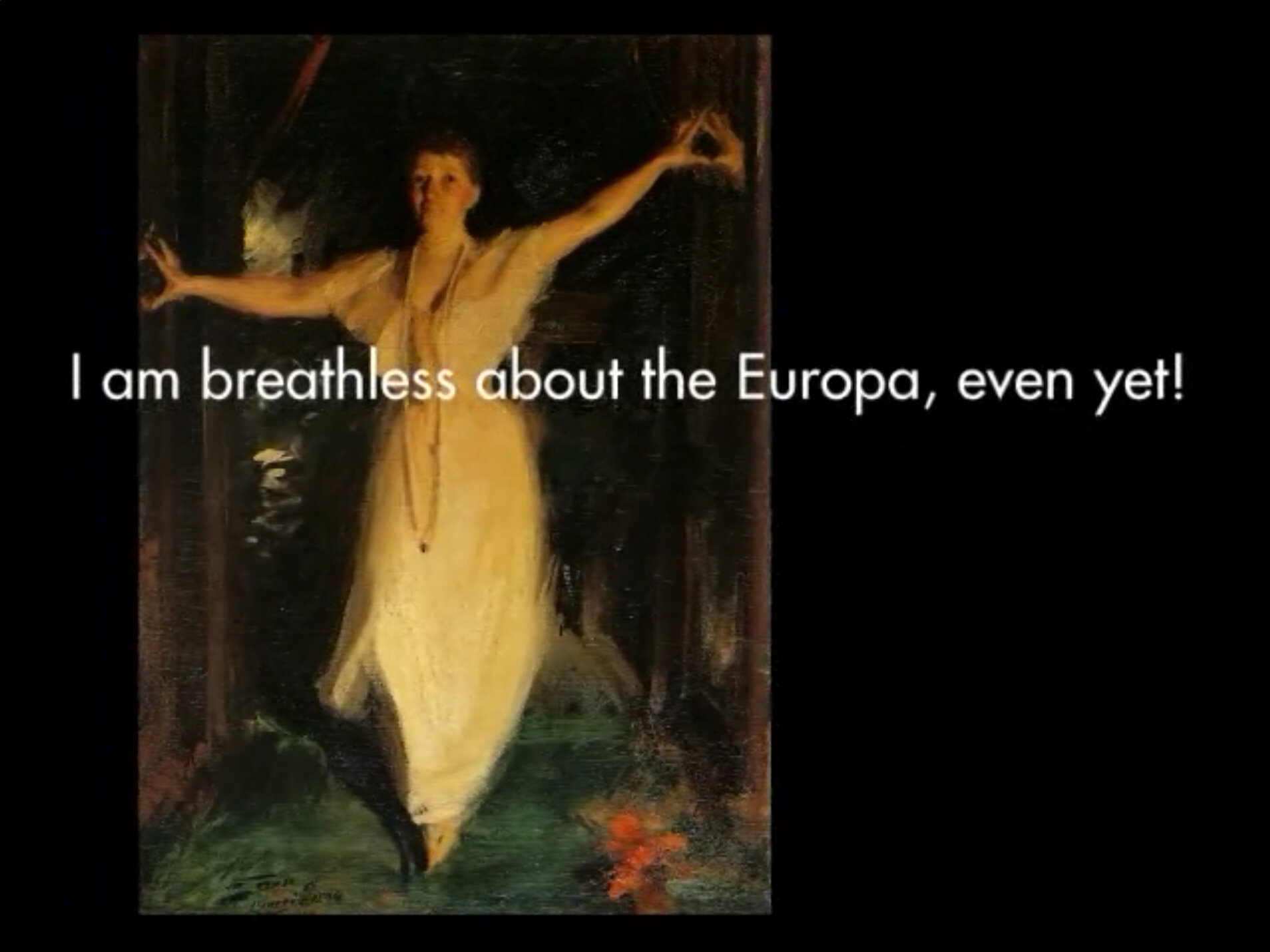

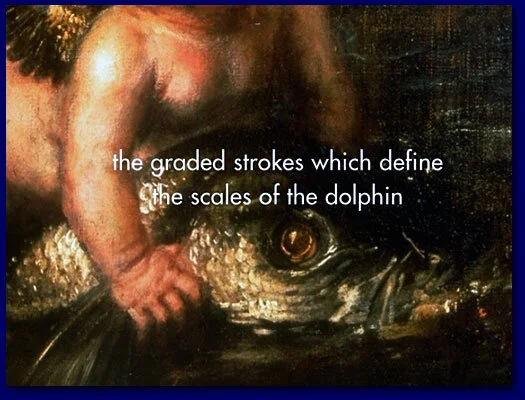
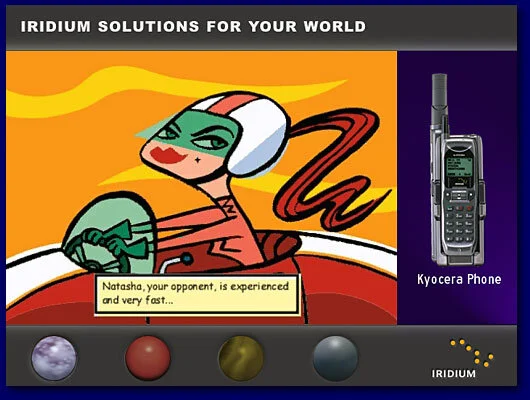

From 1995-2002, Sebring was President of Botticelli Interactive, Inc., founded with colleagues from MIT to develop nonlinear storytelling at the dawn of the web and personal computing. The company produced award-winning interactive film and museum designs.
Images: samples of Botticelli Interactive projects MORE
Top image: Ellen Sebring, in photo by Richard Sebring at 50th Anniversary of Haystack Observatory where their father was a director, 2014